





Anti-Carbonation Coating
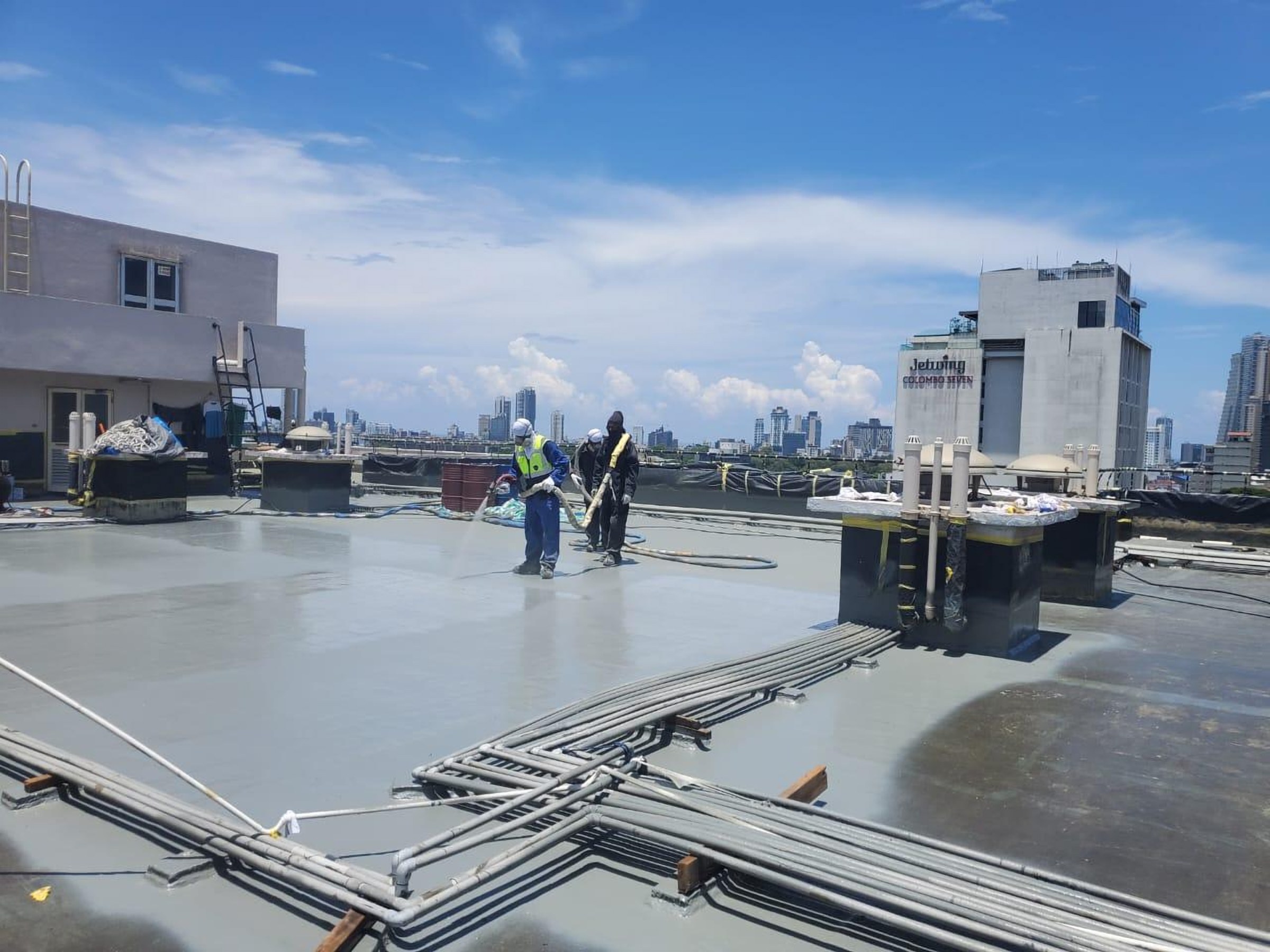
Concrete anti-carbonation protective coating
Helps limit carbon dioxide ingress into exposed concrete as part of a protective system. Coastal exposure and existing damage require separate assessment.
THE MATERIAL
What it does
Anti-carbonation coatings are specified to slow carbon dioxide ingress through suitable concrete surfaces. The selected system should balance carbon dioxide resistance, moisture behaviour and any required crack accommodation.
Technical considerations
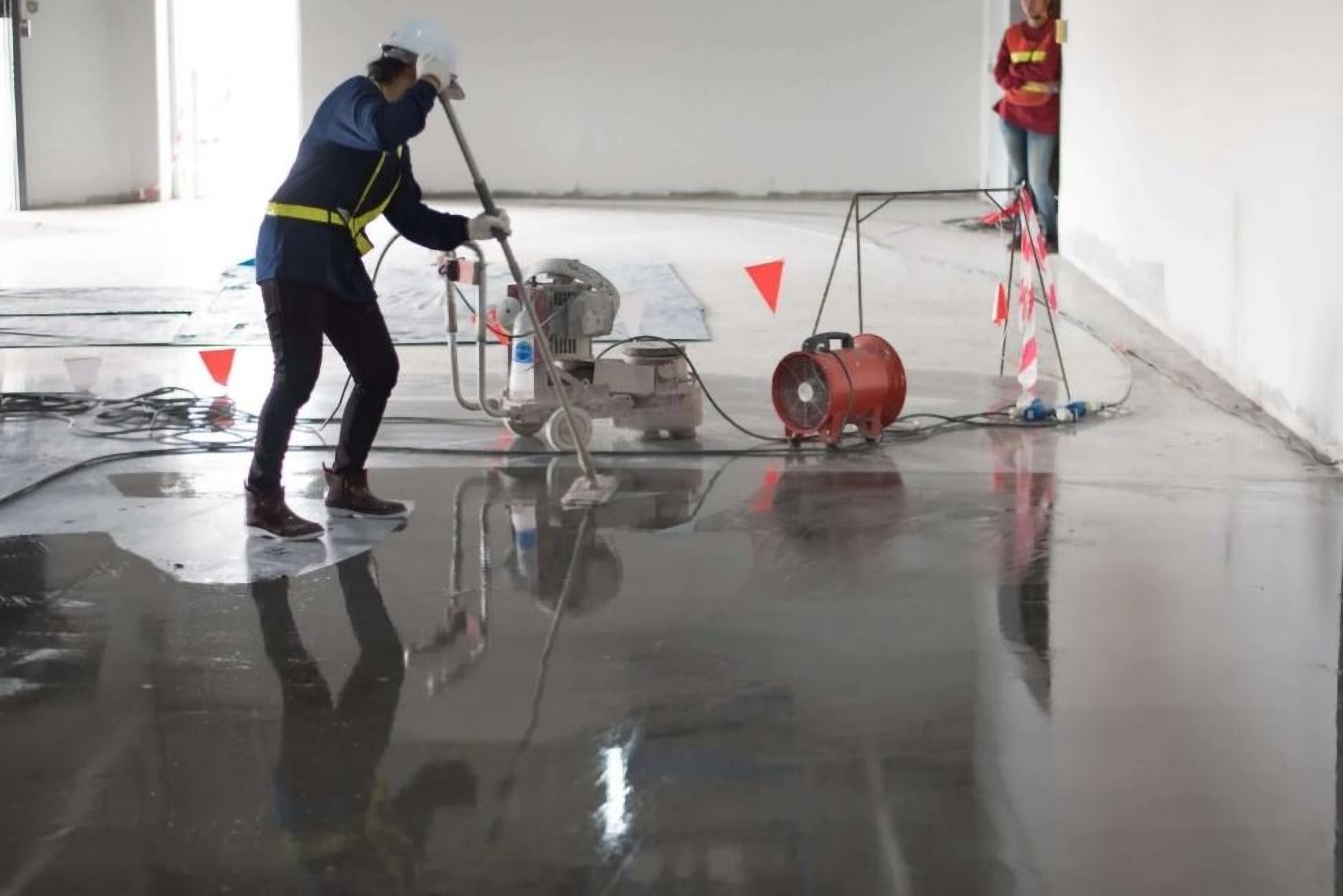
Repair unsound concrete and assess reinforcement corrosion before coating. For coastal structures, chloride contamination and salt exposure must be evaluated separately; an anti-carbonation coating does not remove existing chlorides or reverse corrosion. Confirm the actual system data and surface preparation requirements.
Product selection depends on the surface and site conditions. Ask our team for specifications and availability.
WHERE IT’S USED
Common uses
- Exposed concrete structures
- Coastal concrete protection within a specified system
LET’S NARROW IT DOWN
What to tell us
- 1What is the concrete condition and exposure?
- 2Have carbonation, chlorides or reinforcement corrosion been assessed?
- 3What protective system or crack accommodation is specified?
Related products
Continue browsing- Construction Chemicals
Reinforcement Protection
Protects cleaned, exposed reinforcing steel as part of a concrete repair system. It does not restore steel lost to corrosion.
View product - Concrete Repair
Fibre-Reinforced Repair Mortar
Rebuilds damaged concrete with a cement-based mortar containing fibres. Repair depth and orientation matter; fibres do not replace reinforcing steel.
View product - Protective Coatings
Epoxy Protective Coating
Protects prepared concrete or metal as part of an epoxy coating system. Confirm the required resistance to moisture, sunlight and chemicals.
View product